

Media content extracted online has once again provided many clues regarding the identification of seasoned Wagner Group contractors. How? By analysing camouflage patterns.
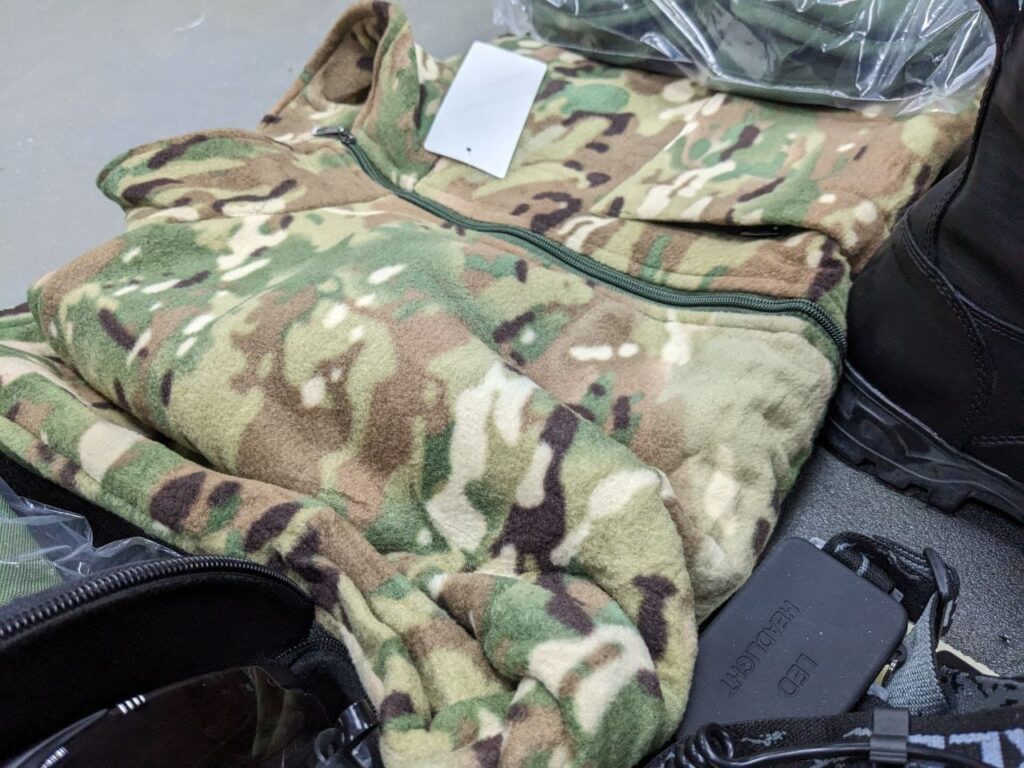
So, what do we know? There is an extremely broad range of camouflage patterns being used by Wagner Group fighters. But, for new fighters and prison conscripts, they can be easily distinguished because they are issued with locally-produced copies of Multicam.
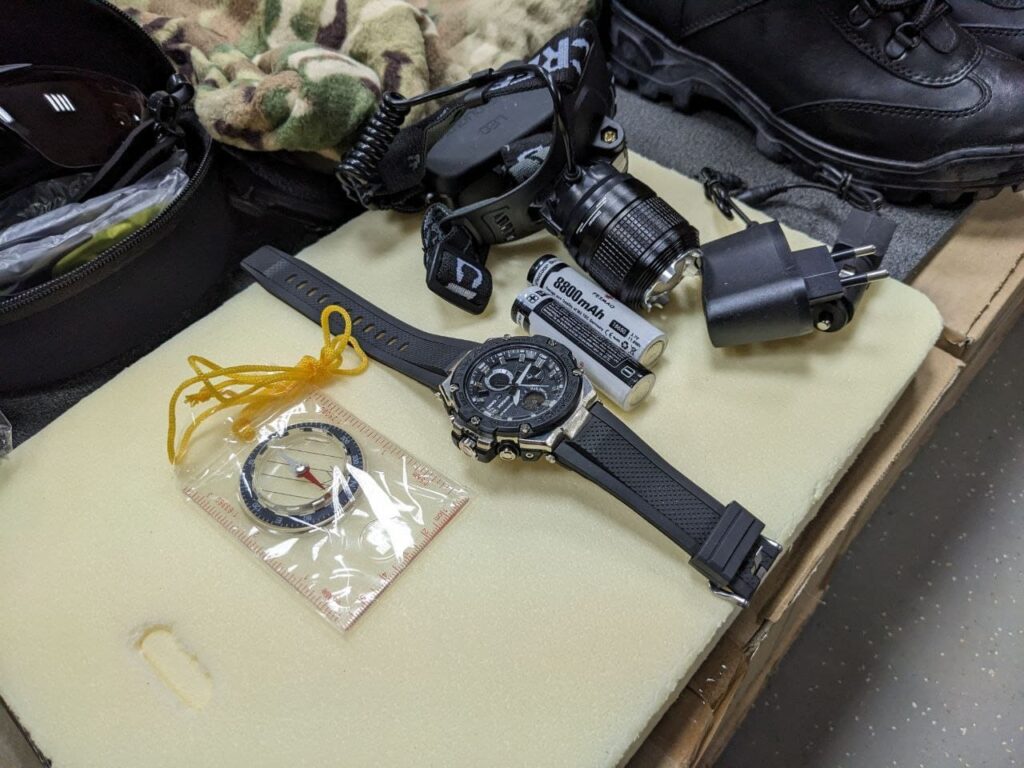
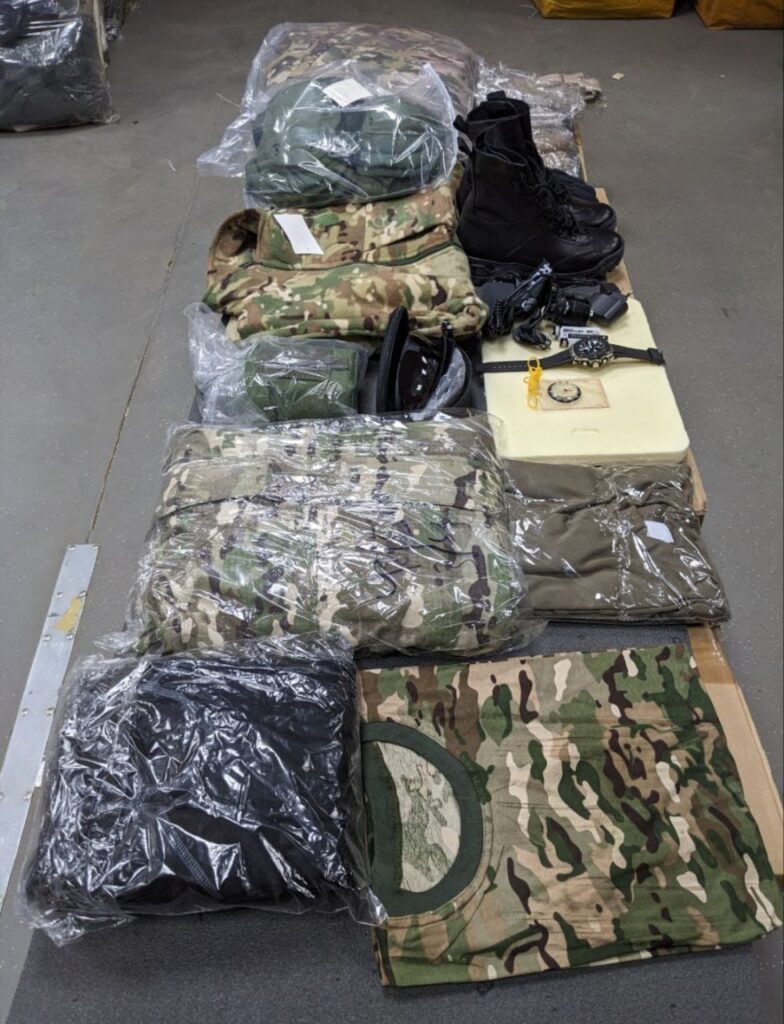
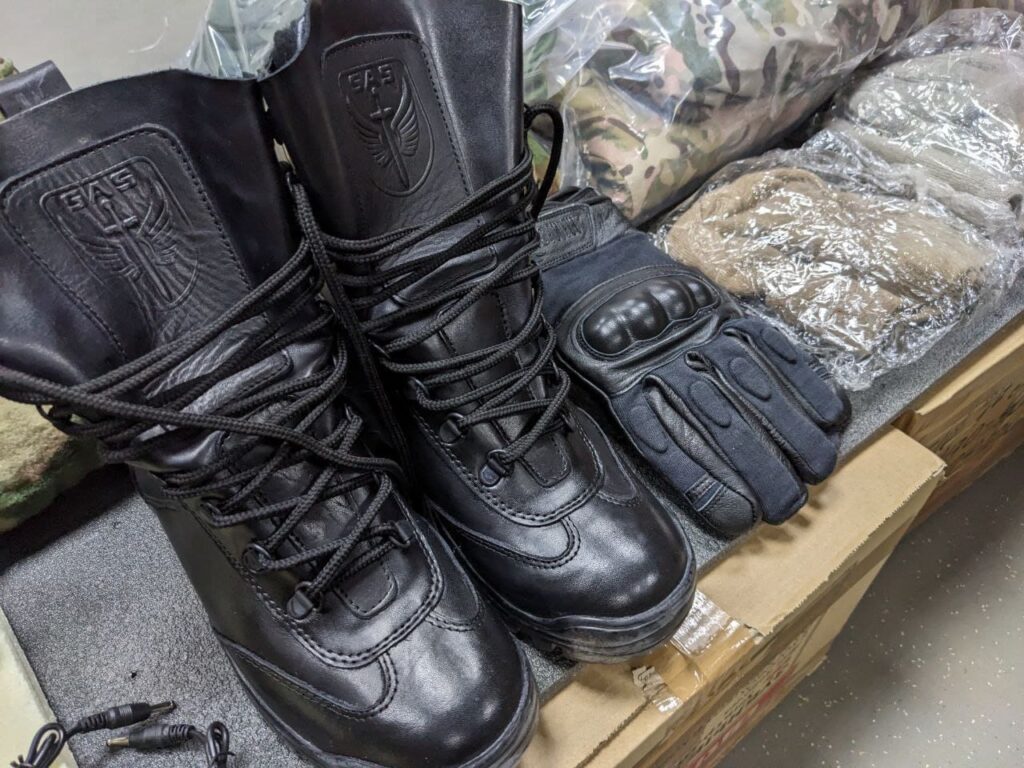
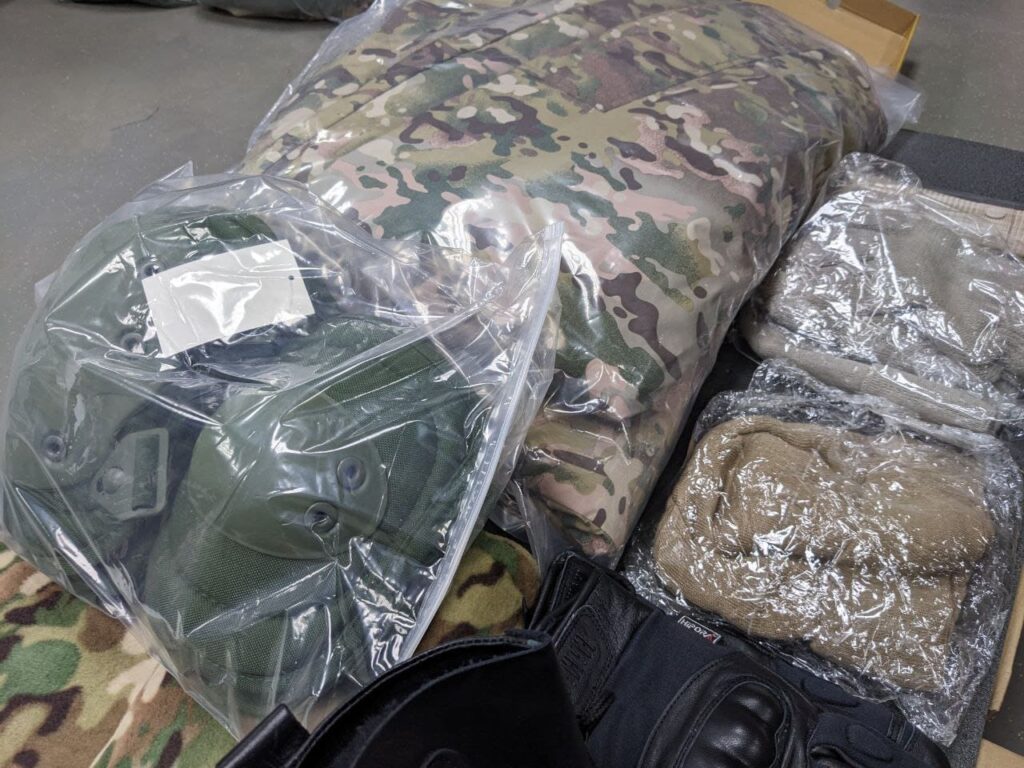
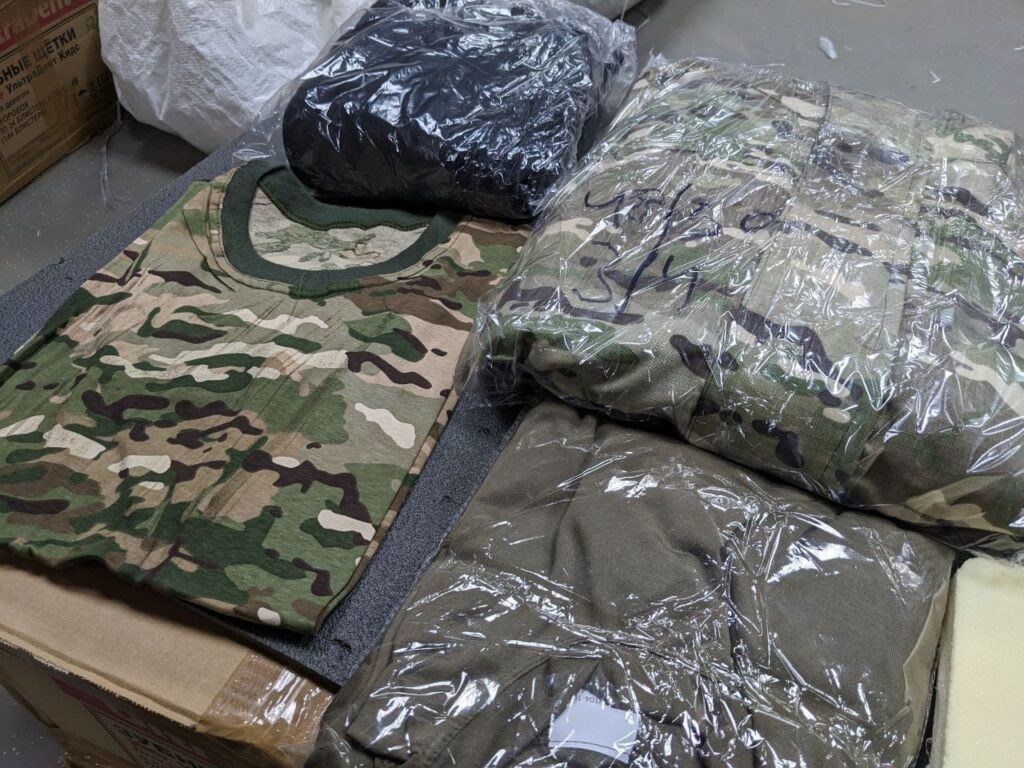
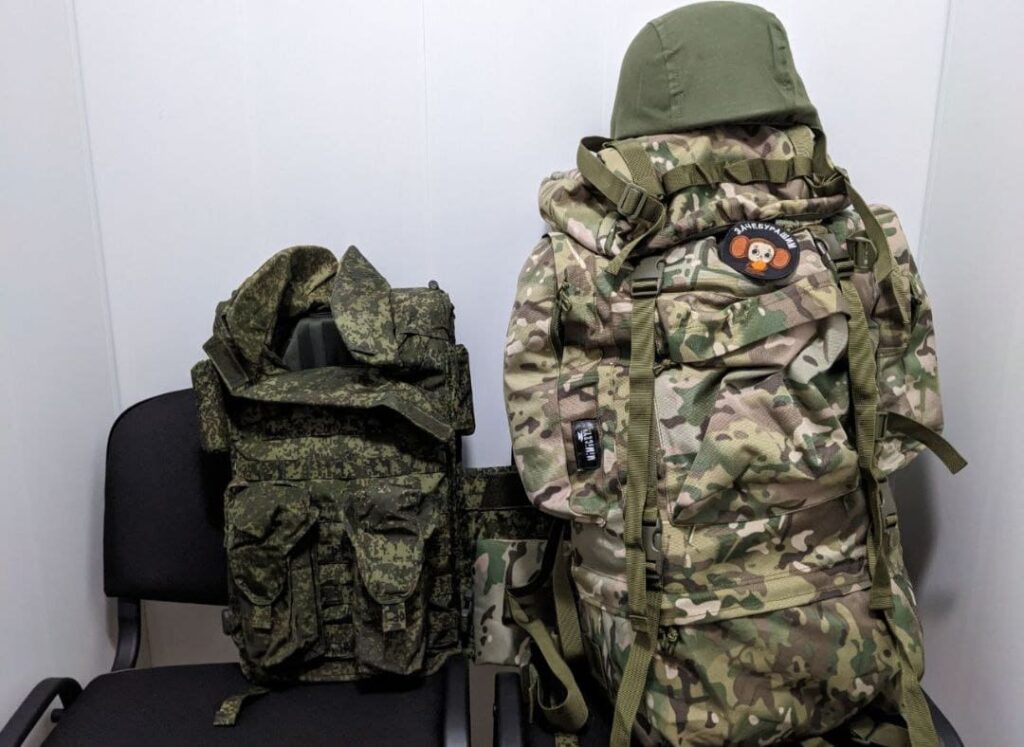
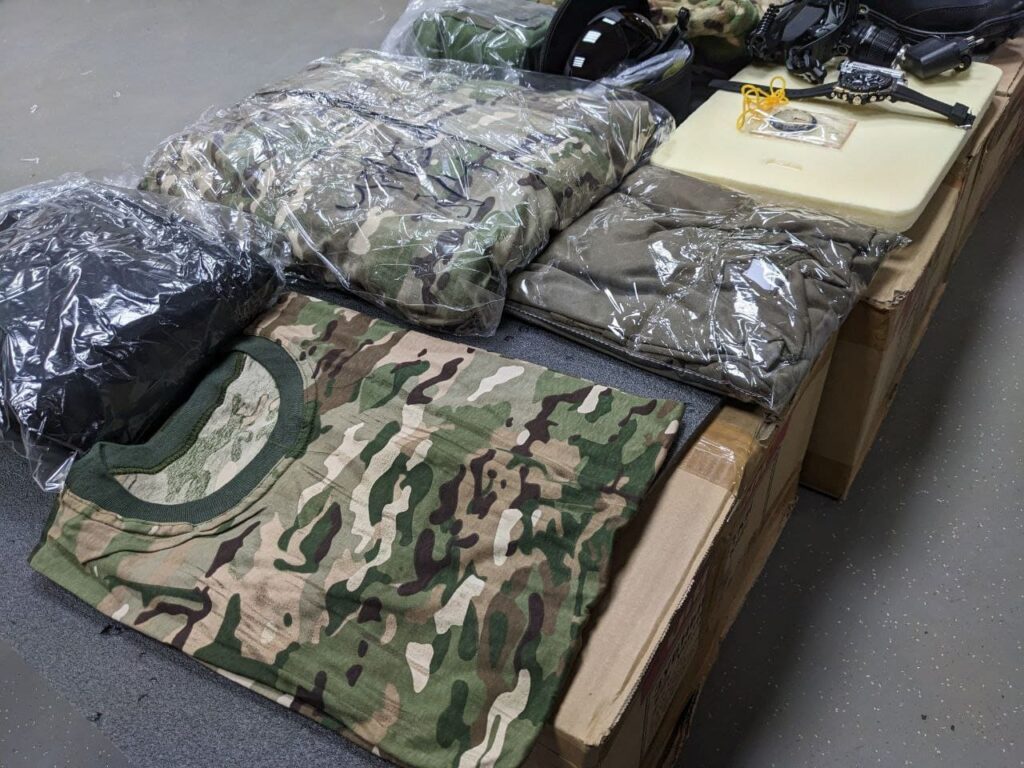
However, a very noticeable observation from all extracted images and footage is that seasoned Wagner Group fighters are easily identified as they often wear ‘old-school’ camouflage print previously issued to Russian Armed Forces reconnaissance or special operations roles. But is camouflage a good combat indicator in itself? For the British military vets among us, let’s remember a time when senior ranks who wore ‘old school’ jungle Disruptive Pattern Material (DPM) were considered superior and well-seasoned (or “Ally”!). Well, long-standing Wagner Group contractors who served long careers in the regular Russian Armed Forces likely have the same approach to outwardly displaying their seniority. When a Russian serviceman leaves the armed forces to join the Wagner Group, there is no transfer of rank. One reason is that military ranks simply do not exist in the Wagner Group. However, as indicated in online recruitment pages, contractors retain their seniority. In this regard, seniority is a likely gauge that determines each contractor’s level of respect – and reverence!

But, we shouldn’t forget that Multicam is also a camouflage pattern that we often associated with special forces operators. At this time, there is no evidence from open-sources to suggest that Wagner Group contractors think the same as us when it comes to signature and non-signature clothing.
But, we can easily distinguish between Wagner Group fighters wearing issued and non-issued Multicam clothing. For example, locally-produced Multicam clothing issued to new recruits and prison conscripts does not have protective features such as in-built knee-pads. However, some seasoned Wagner Group contractors observed are often seen wearing what appear to be protective clothing made by recognised brands.
Moving forward, camouflage and equipment recognition proves to be an effective means to at least separate Wagner Group fighters by their likely level of seniority and status – for now at least. We know that prison conscripts and new Wagner Group recruits wear standard-issue clothing, enabling us to quickly and effectively identify them. Whereas more seasoned Wagner Group contractors can be seen wearing older camouflage patterns that are often associated with the Russian military unit they previously served in. In this regard, camouflage is likely to become a key combat indicator to determine persons of interests as the war in Ukraine will inevitably intensify in the coming weeks.


